8 Fun Facts About James Bond-Vol. 1

Every week as I research article topics for The World of Bond I find myself smiling as I stumble across fun facts that I either didn't know, or had completely forgotten, about the world's most famous secret agent, James Bond. I decided to compile these facts and share them in a new series called "8 Fun Facts About James Bond".
Here is our first installment:
 1. James Bond was not Ian Fleming's first choice for the character's name. The original draft of Casino Royale identified the character as James Secretan. Fleming then opted for a name less coded in double meaning and, subsequently, chose Ornithologist James Bond to model the character after, in name only.
2. Ian Fleming was unhappy with the selection of Sean Connery for the role in Dr. No. He actually referred to the choice of Connery as "simply dreadful" after an initial screening of Dr. No. He later changed his mind. By the time he died, prior to Goldfinger's release, Fleming began to appreciate the choice.
 3. President John F. Kennedy's praise of Ian Fleming's James Bond series propelled the sales of the Ian Fleming novels, which were previously less than stellar sellers.
4. George Lazenby was the only Bond actor to publicly criticize the Daniel Craig era films. While Lazenby praised Craig as an actor, he felt that the Bond character in the Craig era lacks heart. That characterization makes me wonder if Lazenby actually sat through till the end of Casino Royale.
5. Roger Moore used a stunt double for scenes where he was running, of all things. Not that Moore was incapable or unwilling to engage in a good sprint; he simply felt he looked awkward doing it after watching himself run in test footage.

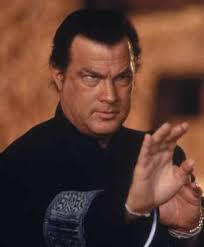
6. Sean Connery broke his hand training with, none other than martial arts master and fight coordinator, Steven Seagal, on the set of Never Say Never Again (1983). There is, apparently, still no love loss between the two actors.
7. In 1986 Pierce Brosnan was the popular favorite to ascend to the Bond throne, succeeding Roger Moore in the film, The Living Daylights. He was forced to wait another 8 years to fulfill that destiny because the producers' of the television show, Remington Steele (1982), refused to allow Pierce out of his contract.

8. Daniel Craig's film, Casino Royale (2006), the 23rd installment in the James Bond, Eon Productions film series was, by far, the closest in plot, character development, and dialogue to the original Ian Fleming novel. It took almost 50 years for Hollywood to acknowledge that Fleming's source work was the best place to re-visit to insure that the James Bond legacy stay alive. This was a genius move that together with the casting of Daniel Craig, resuscitated a franchise headed for decline.

Stay tuned for more installments. Please send any Fun Facts you'd like me to include in future installments.
JAMES BOND REMINDER: Only 4 months until the release of the new James Bond novel, SOLO, by William Boyd.

2. Ian Fleming was unhappy with the selection of Sean Connery for the role in Dr. No. He actually referred to the choice of Connery as "simply dreadful" after an initial screening of Dr. No. He later changed his mind. By the time he died, prior to Goldfinger's release, Fleming began to appreciate the choice.
3. President John F. Kennedy's praise of Ian Fleming's James Bond series propelled the sales of the Ian Fleming novels, which were previously less than stellar sellers.4. George Lazenby was the only Bond actor to publicly criticize the Daniel Craig era films. While Lazenby praised Craig as an actor, he felt that the Bond character in the Craig era lacks heart. That characterization makes me wonder if Lazenby actually sat through till the end of Casino Royale.
5. Roger Moore used a stunt double for scenes where he was running, of all things. Not that Moore was incapable or unwilling to engage in a good sprint; he simply felt he looked awkward doing it after watching himself run in test footage.
6. Sean Connery broke his hand training with, none other than martial arts master and fight coordinator, Steven Seagal, on the set of Never Say Never Again (1983). There is, apparently, still no love loss between the two actors.
7. In 1986 Pierce Brosnan was the popular favorite to ascend to the Bond throne, succeeding Roger Moore in the film, The Living Daylights. He was forced to wait another 8 years to fulfill that destiny because the producers' of the television show, Remington Steele (1982), refused to allow Pierce out of his contract.
8. Daniel Craig's film, Casino Royale (2006), the 23rd installment in the James Bond, Eon Productions film series was, by far, the closest in plot, character development, and dialogue to the original Ian Fleming novel. It took almost 50 years for Hollywood to acknowledge that Fleming's source work was the best place to re-visit to insure that the James Bond legacy stay alive. This was a genius move that together with the casting of Daniel Craig, resuscitated a franchise headed for decline.
Stay tuned for more installments. Please send any Fun Facts you'd like me to include in future installments.
JAMES BOND REMINDER: Only 4 months until the release of the new James Bond novel, SOLO, by William Boyd.